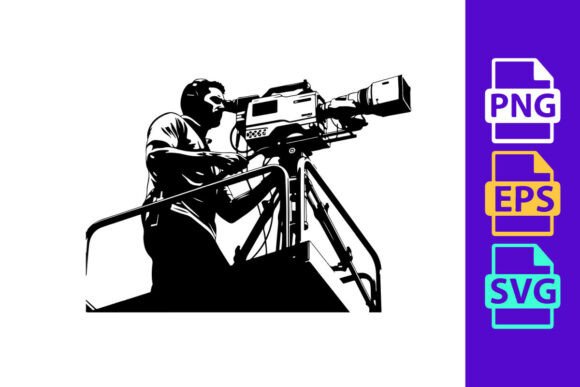
Behind the Lens: A Cameraman's Impact on Visual Storytelling
In the world of visual content, the person behind the camera is just as crucial as the subject in front of it. A cameraman operating a large video camera isn't just a technician; they are a storyteller, an architect of emotion, and the gatekeeper of the audience's perspective. Their work dictates the pace, focus, and overall feeling of any video production, from a high-octane sports broadcast to an intimate documentary. Understanding their role helps us appreciate the dynamic, professional energy they bring to every frame.
The Visual Language of a Professional Cameraman
Imagine a cameraman, shoulders squared, eyes fixed through the viewfinder of a substantial broadcast or cinema camera. The equipment itself—often a large, rugged video camera with a prominent lens, matte box, and various monitors—communicates seriousness and capability. This visual is powerful. It represents precision, stability, and dedication to quality. The silhouette of such an operator, often seen at live events, sports sidelines, or film sets, has become an iconic symbol of professional media production. It conveys a sense of action, focus, and the unseen effort that goes into capturing compelling content.
This imagery is more than just a snapshot; it's a brand asset in itself. For businesses in media, sports marketing, event production, or content creation, using this visual archetype in their materials instantly signals expertise and a commitment to high-quality output. It works exceptionally well in logo design for production companies, as a header image for blogs about filmmaking, or within social media graphics promoting a live stream. The style is inherently modern and professional, aligning perfectly with web design for creative agencies or editorial design for industry magazines.
Strategic Applications for Designers and Brands
Where does this specific visual—a cameraman with a large video camera—truly excel? Its strength lies in contexts where authenticity and industry credibility are paramount. Consider its use in packaging design for camera accessories or professional gear; it immediately tells the customer the product is for serious use. In editorial design, it can break up text-heavy pages in a trade publication, adding a dynamic, human element that reinforces the article's topic.
For brand identity, especially for a video production house, a podcast studio, or a news outlet, incorporating this imagery can build immediate recognition. It becomes part of a visual vocabulary that says, "We are in the business of capturing moments." This extends to print-on-demand products like t-shirts or mugs for film school graduates or camera enthusiasts, where the design celebrates the craft itself. The key is to use it not as generic clipart, but as a meaningful symbol integrated into a broader design strategy.
Integrating the Cameraman Motif into Your Projects
When incorporating this visual into your work, think about the message you want to send. A clean, bold silhouette of a cameraman is incredibly versatile. It can be recolorized to match any brand palette, from a stark black-and-white for a minimalist tech company to vibrant colors for a youth sports network. Because it's a recognizable figure, it helps establish a clear visual hierarchy, guiding the viewer's eye to key information related to video, media, or live events.
Practical application is key. Use it as a background element in a website banner to add depth, or as a primary icon in an infographic explaining the video production process. For social media graphics, it can serve as a compelling thumbnail for a video tutorial about camera techniques. Always ensure the style of the illustration matches the tone of your project—a realistic, detailed rendering suits a technical manual, while a simplified, graphic silhouette is perfect for modern web design or app interfaces. By treating this motif as a strategic design element rather than mere decoration, you harness its full potential to communicate professionalism and dynamism.